


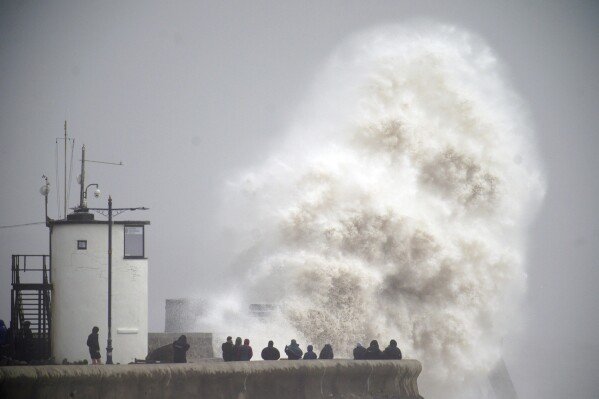
Storm Darragh is currently making headlines as it sweeps across the UK, bringing strong winds, heavy rainfall, and significant disruptions. The storm has led to severe weather warnings, power outages, and travel delays, affecting thousands of people. As authorities work to mitigate its impact, it’s crucial to stay informed and prepared. This article provides detailed updates on Storm Darragh, its impact, safety precautions, and forecasts to help you stay ahead of the weather.
What is Storm Darragh?
Storm Darragh is a powerful Atlantic weather system, fueled by a deep low-pressure zone that has intensified over the British Isles. As it moves inland, it is bringing torrential rains, damaging wind gusts, and coastal flooding. The UK Met Office has issued multiple warnings, urging people to take necessary precautions to avoid hazardous conditions.
Met Office Warnings & Alerts
The Met Office has placed yellow and amber weather warnings across various parts of the UK, highlighting the potential risks of Storm Darragh. Key warnings include:
- Strong winds exceeding 80 mph, capable of causing structural damage and power failures.
- Heavy rainfall leading to flash floods, especially in low-lying and urban areas.
- Coastal hazards such as high tides, storm surges, and dangerous waves.
- Transport disruptions, including flight delays, railway service interruptions, and road closures.
Authorities are urging residents to avoid unnecessary travel, stay indoors when possible, and remain updated with official alerts.
Regions Most Affected by Storm Darragh
Scotland
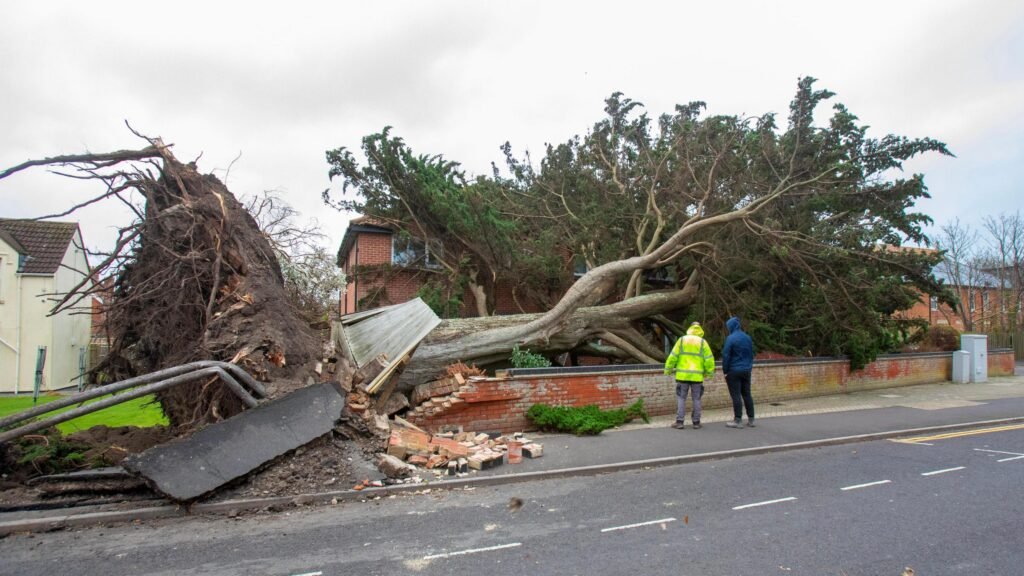
Scotland has been one of the hardest-hit regions, experiencing hurricane-force winds and relentless rainfall. Major cities like Glasgow and Edinburgh are witnessing flooded streets, fallen trees, and widespread power outages. The Scottish government has activated emergency response teams to assist those affected.
Northern Ireland
Northern Ireland is also facing the full brunt of the storm. Areas such as Belfast, Derry, and Antrim have reported storm-force winds, heavy flooding, and blocked roads. Several ferry services between Northern Ireland and Scotland have been canceled due to the dangerous weather conditions.
England and Wales
England and Wales are seeing severe weather in coastal and inland regions. Cities like Liverpool, Manchester, Cardiff, and Bristol are dealing with fallen power lines, transportation delays, and rising river levels. Coastal communities along the South West and North East are preparing for storm surges and high tides.
Impact on Transportation and Infrastructure
Storm Darragh is disrupting major transportation networks, including:
- Air Travel: Major UK airports, including Heathrow, Manchester, and Edinburgh, have seen flight cancellations and delays.
- Rail Services: Train services in storm-hit areas have been suspended or delayed, causing commuter chaos.
- Ferry Services: Routes between the UK, Ireland, and European destinations have been temporarily halted.
- Road Travel: Motorways and key roads are blocked by debris, fallen trees, and flooding, leading to severe congestion.
Officials are advising travelers to check schedules before leaving, avoid non-essential trips, and follow emergency instructions.
Power Outages and Property Damage
High winds and heavy rainfall have caused significant property damage and power failures across the country. Many homes and businesses have been left without electricity due to damaged power lines. Some regions may experience prolonged outages as repair crews struggle with hazardous conditions.
Property damage reports include:
- Roof collapses and broken windows due to intense winds.
- Flooded basements and streets, overwhelming drainage systems.
- Fallen trees damaging vehicles and buildings.
Authorities are urging residents to secure outdoor items, reinforce windows and doors, and report any power failures immediately.
Flooding Risks and Environmental Concerns
One of the most pressing concerns with Storm Darragh is flooding. Heavy rainfall has overwhelmed drainage systems, leading to rapid water accumulation in urban and rural areas. In coastal towns, storm surges and high tides pose additional risks, causing beach erosion and damage to seawalls.
Experts warn that climate change is contributing to the increased frequency of extreme storms, with rising temperatures leading to heavier rainfalls and more powerful winds.
How to Stay Safe During Storm Darragh
Here are essential safety tips to protect yourself and your property during the storm:
- Stay Indoors: Avoid going outside unless absolutely necessary.
- Secure Loose Items: Bring in garden furniture, bicycles, and anything that can be carried away by strong winds.
- Prepare for Power Outages: Keep flashlights, extra batteries, and backup power sources ready.
- Avoid Flooded Roads: Do not attempt to walk or drive through floodwaters.
- Stay Updated: Follow official weather reports and emergency updates from the Met Office.
How Storm Darragh Compares to Previous UK Storms
Storm Darragh is being compared to previous UK storms like Storm Eunice (2022) and Storm Arwen (2021), both of which caused significant damage and disruptions. While Storm Eunice was known for its record-breaking wind speeds, Storm Darragh is being noted for its widespread rainfall and high risk of flooding.
Recovery and Emergency Response
Authorities and emergency responders are working tirelessly to restore power, clear roads, and assist affected communities. The UK government has deployed additional resources, including emergency shelters for those displaced by flooding.
People affected by the storm are encouraged to report damages, seek assistance from local authorities, and stay informed about ongoing recovery efforts.
Conclusion
Storm Darragh is proving to be one of the most intense weather events to hit the UK in recent months. With strong winds, heavy rainfall, flooding, and travel disruptions, it is crucial to stay alert, follow safety measures, and keep track of weather updates. As the storm continues its course, emergency responders and authorities are working hard to minimize risks and assist those in need. The impact of Storm Darragh also serves as a reminder of the growing challenges posed by extreme weather events.
Read more: Weather Forecast Snow Storm: Everything You Need to Know
FAQ’s Section
Answer: Storm Darragh formed due to a deep low-pressure system over the Atlantic, intensified by warm and cold air collisions, resulting in strong winds and heavy rainfall.
Answer: The storm is expected to last 48 to 72 hours, with lingering effects such as flooding and travel disruptions continuing beyond that period.
Answer: The storm is expected to last 48 to 72 hours, with lingering effects such as flooding and travel disruptions continuing beyond that period.
Answer: Residents should stay indoors, secure loose items, stock emergency supplies, avoid travel, and stay updated with weather alerts.
Answer: Storms are named by the UK Met Office in collaboration with European meteorological agencies to enhance public awareness and preparedness.