


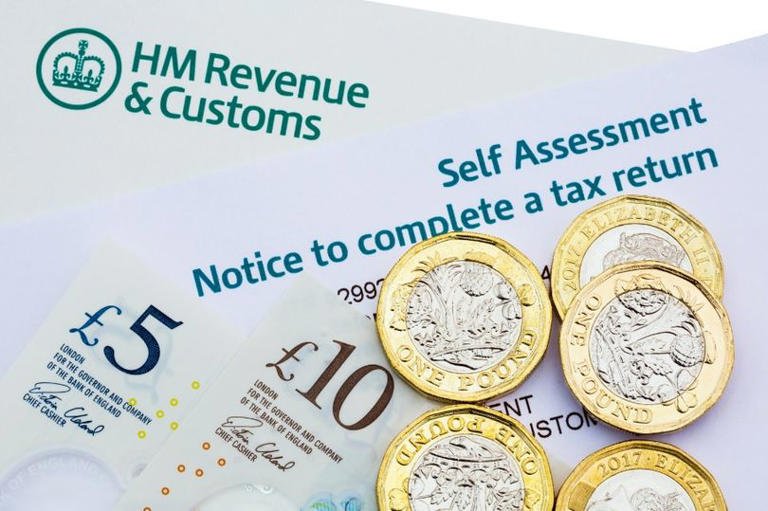
Starting January 2025, HMRC will fines UK households £100 for late self-assessment tax returns. This change aims to encourage timely tax compliance and reduce delays in the tax filing process. As tax season approaches, self-employed individuals, landlords, and those with additional income sources must understand the implications of this penalty. This article provides an in-depth analysis of HMRC’s new policy, the reasons behind it, who will be affected, and strategies to avoid fines.
Why is HMRC Implementing This Fine?
The introduction of the £100 fine for late self-assessment tax returns stems from HMRC’s ongoing efforts to streamline tax collection and ensure compliance. The government has observed a significant number of late or missed filings in previous years, leading to inefficiencies and revenue shortfalls. By imposing this fine, HMRC hopes to discourage procrastination and encourage timely tax submissions.
Additionally, the UK tax system is evolving with digital initiatives such as Making Tax Digital (MTD). With increasing reliance on technology for tax filing, HMRC expects taxpayers to submit returns promptly and efficiently. The fine serves as an additional motivation for taxpayers to adhere to deadlines and avoid unnecessary penalties.
Who Will Be Affected by This Fine?
The new policy will impact individuals who are required to submit self-assessment tax returns. This includes:
- Self-Employed Individuals: Freelancers, contractors, and sole traders must file their tax returns annually.
- Landlords: Those earning rental income need to declare their earnings and pay applicable taxes.
- High Earners: Individuals earning over £100,000 annually must file a self-assessment tax return even if they are salaried employees.
- Investors and Business Owners: Those with dividend income, capital gains, or business profits need to submit tax returns.
- Individuals with Additional Income Streams: If you receive untaxed income through side jobs, foreign income, or pensions, you must complete a self-assessment.
Failing to file by the deadline, which is typically January 31st, will result in the immediate £100 penalty.
Key Deadlines for Self-Assessment Tax Returns

Understanding and meeting tax deadlines is essential to avoid HMRC fines. Here are the key dates:
- April 6th: Start of the new tax year.
- October 5th: Deadline for self-employed individuals or those with new untaxed income to register for self-assessment.
- October 31st: Deadline for submitting paper tax returns.
- January 31st: Final deadline for online self-assessment tax return submission and payment of any owed tax.
Late filings will trigger the automatic £100 penalty, and further delays could lead to additional fines and interest on unpaid taxes.
How to Avoid the £100 HMRC Fine
To ensure compliance and avoid unnecessary penalties, consider the following steps:
1. File Your Tax Return Early
Don’t wait until the last minute to submit your tax return. Preparing and filing early allows time to correct mistakes and ensure accuracy.
2. Keep Accurate Financial Records
Maintain organized financial documents, including income statements, expense records, and relevant receipts. Digital accounting tools can simplify record-keeping.
3. Use HMRC’s Online Services
HMRC provides an online portal for self-assessment tax returns. Familiarize yourself with the system and use it to submit returns efficiently.
4. Set Calendar Reminders
Mark tax deadlines on your calendar or use digital reminders to ensure you don’t miss the submission date.
5. Seek Professional Help
If you are uncertain about tax filing, consider consulting a tax accountant or advisor to assist with accurate and timely submission.
Consequences of Missing the Deadline
Failing to submit your self-assessment tax return by January 31st will result in:
- Immediate £100 Fine: This is a fixed penalty, regardless of whether you owe any tax.
- Further Penalties: Additional charges apply for prolonged delays:
- After 3 months: £10 daily fines (up to £900)
- After 6 months: 5% of the outstanding tax or £300 (whichever is greater)
- After 12 months: Additional penalties depending on the severity of non-compliance
Ignoring these penalties can lead to HMRC taking enforcement actions, such as seizing assets or deducting payments directly from earnings.
What to Do If You Miss the Deadline
If you fail to submit your self-assessment tax return on time, take immediate steps to minimize penalties:
- File as Soon as Possible: Submit your return even if it’s late to prevent further fines.
- Pay Any Outstanding Tax: Avoid interest charges by settling your tax bill promptly.
- Appeal If Necessary: If you missed the deadline due to exceptional circumstances (e.g., serious illness, bereavement), you can appeal against the penalty by providing evidence to HMRC.
- Contact HMRC for Support: If you face difficulties, HMRC offers payment plans and assistance for those struggling with tax obligations.
Conclusion
The new HMRC policy introducing a £100 fine for late self-assessment tax returns starting January 2025 highlights the importance of timely tax compliance. With strict penalties in place, individuals must prioritize meeting tax deadlines to avoid unnecessary financial burdens. Understanding the requirements, keeping accurate records, and utilizing online tax services can help taxpayers stay compliant and stress-free during tax season.
By planning ahead and taking the necessary precautions, you can avoid fines and ensure a smooth self-assessment process.
Read more: Joyful Celebrations: Eid Mubarak To All
FAQ’s Section
The penalty applies to self-assessment tax returns due from January 31, 2025, onwards.
Self-employed individuals, landlords, high earners, and those with additional income sources must file a self-assessment.
Yes, you can appeal if you have a valid reason, such as serious illness or bereavement, but supporting evidence is required.
Additional penalties apply, including daily fines, percentage-based penalties, and potential legal enforcement.
Submit your tax return on time, maintain financial records, set reminders, and seek professional help if needed.