


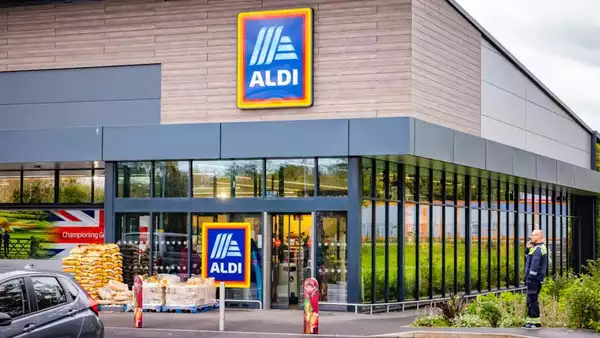
Aldi, known for its affordable prices and growing popularity across the globe, prides itself on offering quality products to millions of customers every day. However, like any large-scale retailer, Aldi occasionally faces product safety issues that result in recalls. In 2025, multiple Aldi recalls have already been issued, affecting food items, kitchen appliances, and household goods due to various safety risks. These recalls, whether triggered by contamination, undeclared allergens, or mechanical hazards, are crucial for consumer safety.
This article provides a comprehensive overview of the Aldi recalls issued in 2025, reasons behind the recalls, how customers can check if they’ve purchased a recalled product, and what actions to take if they are affected. By staying informed, consumers can protect themselves and their families from potential harm.
Understanding Product Recalls: What They Mean and Why They Happen
What Is a Product Recall?
A product recall is an action taken by a manufacturer or retailer to remove a defective or potentially dangerous product from the market. The process typically involves informing consumers about the risk and offering remedies such as refunds, replacements, or disposal instructions.
Why Are Aldi Recalls Issued?
Aldi recalls are initiated for various reasons, including:
- Allergen Mislabeling: Products that contain undeclared allergens like milk, nuts, or gluten.
- Bacterial Contamination: Food items contaminated with harmful bacteria such as Listeria or Salmonella.
- Foreign Material Contamination: The presence of plastic, metal, or glass in consumables.
- Mechanical or Electrical Hazards: Appliances and electronics that pose burn, fire, or electric shock risks.
Aldi Recalls 2025: A Timeline of Major Alerts
January–March 2025: Dairy and Vegetable Concerns
One of the first major Aldi recalls in 2025 was announced in January when Happy Farms Colby Jack Shredded Cheese was found to potentially contain stainless steel fragments. This product, sold across Ohio, Pennsylvania, and Connecticut, posed a serious risk of internal injury if consumed.
Soon after, in March, Aldi recalled several vegetable products from the Freshire Farms range, including green beans, jalapeños, and green peppers, due to possible contamination with Listeria monocytogenes. These items were distributed in select stores across Kentucky, New York, and West Virginia.
April 2025: “Do Not Eat” Warning on Baby Potatoes
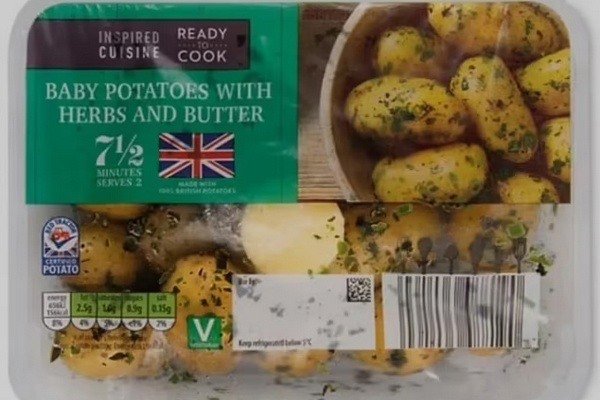
A prominent recall in April involved Inspired Cuisine Baby Potatoes with Herbs and Butter. These were pulled from shelves after it was discovered they contained undeclared milk, posing a significant risk to individuals with lactose intolerance or dairy allergies. Aldi urged customers to return the product for a full refund, accompanied by a nationwide alert emphasizing the danger.
Kitchen Appliance Recalls: Safety First
In March, Aldi also issued a recall for Ambiano Single-Serve Coffee Makers, which had been sold in several U.S. states. The reason: multiple reports of burn hazards due to overheating. Over 25,000 units were affected. This recall highlighted the importance of not only monitoring food items but also scrutinizing the performance and safety of household appliances.
How to Check If a Product Has Been Recalled
Aldi Recall Notification System
Aldi employs several methods to inform customers about recalls:
- In-store Signage: Notices placed near product aisles and customer service desks.
- Official Website: The Aldi Product Recall page is regularly updated with detailed recall notices.
- Email Alerts: Customers who have signed up for Aldi’s newsletters may receive direct notifications.
- Social Media: Aldi also uses platforms like Twitter and Facebook to alert the public quickly.
Identifying Recalled Items
Recalled items usually come with specific identifiers:
- Product Name and Description
- Use-by or Best-before Dates
- Batch or Lot Numbers
- UPC or Barcode Numbers
It’s important to compare these details on the Aldi recall notices with the products you’ve purchased.
What to Do If You’ve Purchased a Recalled Aldi Product
Step-by-Step Guide
- Stop Using the Product: Immediately cease use or consumption.
- Check Details: Confirm the product’s batch number and best-before date against Aldi’s official recall notice.
- Return or Dispose: Depending on the notice, return the item to the store or dispose of it safely.
- Request Refunds: Aldi offers full refunds for recalled items—even without a receipt.
- Monitor Health: If you’ve consumed a recalled food product, especially those contaminated with bacteria or allergens, monitor for symptoms like nausea, vomiting, or allergic reactions and consult a healthcare provider.
The Impact of Aldi Recalls on Consumer Trust
Transparency and Responsibility
While recalls can potentially damage a retailer’s reputation, Aldi has consistently maintained transparency in its recall process. The company’s swift actions, comprehensive refund policies, and proactive communication channels help maintain customer confidence even during challenging circumstances.
Consumer Response and Loyalty
Interestingly, many Aldi customers remain loyal even after a recall, citing the brand’s integrity and responsiveness as reasons to continue shopping there. In fact, Aldi’s recall management strategy is often praised for its effectiveness and customer-first approach.
Preventing Future Recalls: What Aldi and Consumers Can Do
Aldi’s Quality Control Improvements
To reduce the occurrence of future recalls, Aldi continues to implement stricter quality control and supplier audits. These include:
- Regular third-party inspections
- Improved traceability systems
- Supplier accountability programs to ensure compliance with food safety and consumer product regulations
Consumer Vigilance Is Key
Consumers also play an important role in preventing harm:
- Always read product labels carefully, especially for allergens.
- Follow proper food storage and preparation guidelines.
- Stay informed by checking Aldi’s recall page periodically.
Regulatory Oversight: Who Monitors Recalls?
Aldi recalls in the U.S. are overseen by multiple government agencies, including:
- U.S. Food and Drug Administration (FDA) – Monitors food, dietary supplements, and cosmetics.
- U.S. Department of Agriculture (USDA) – Oversees meat, poultry, and certain egg products.
- Consumer Product Safety Commission (CPSC) – Handles non-food items like electronics and appliances.
In the U.K., the Food Standards Agency (FSA) and Trading Standards play similar roles in ensuring product safety and issuing recall advisories.
Conclusion
Product recalls are never ideal, but they are a necessary part of maintaining safety in the retail world. The Aldi recalls in 2025, spanning a wide range of products from dairy and produce to kitchen appliances, serve as reminders of the ongoing importance of vigilance from both retailers and consumers.
Aldi has shown its commitment to consumer safety by issuing timely alerts, offering full refunds, and maintaining transparency throughout the recall process. For customers, staying informed and taking action when necessary can prevent serious health risks and reinforce trust in the brand.
By keeping track of official recall announcements, knowing what steps to take if affected, and encouraging responsible shopping habits, both Aldi and its shoppers can navigate recalls with confidence and care.
Read more: Explore Coral Reef Bracknell: A Family-Friendly Water Adventure in Berkshire