



A Voice for Music Professionals Across the UK
The music industry, vibrant and ever-evolving, has always been a space of creativity, passion, and expression. Yet, behind the curtain of live performances, orchestras, teaching, and composing lies a professional world filled with legal challenges, financial instability, and the constant need for advocacy. For musicians in the UK, one organization has stood as a pillar of support for over a century — the Incorporated Society of Musicians (ISM).
Founded in 1882, the ISM has grown to become one of the most respected professional bodies for musicians and those working in the music sector. Its mission goes far beyond being a typical membership organization. It actively champions the rights of music professionals, offers legal support, advocates for better policies in arts education, and promotes a sustainable, inclusive, and thriving musical culture.
The Origin and Growth of the Incorporated Society of Musicians
A Historical Overview: From Humble Beginnings to National Recognition
The Incorporated Society of Musicians was established at a time when the music profession lacked organized support and legal protection. As the demand for music education and performance grew, so did the need for a body to represent the interests of those working in the field. What started as a modest society aimed at supporting teachers and performers soon evolved into a multifaceted organization influencing national policy and championing industry reform.
By the early 20th century, the ISM had already begun its journey into public advocacy, addressing issues like fair pay, music education in schools, and copyright protection. Its influence expanded throughout the decades, and today, it boasts thousands of members, including composers, conductors, teachers, instrumentalists, and vocalists across all genres and disciplines.
What the ISM Offers: A Comprehensive Suite of Services
Legal Support and Advocacy
One of the standout features of ISM membership is the robust legal support offered to musicians. In an industry where disputes over contracts, copyright, and intellectual property are common, this legal safety net is invaluable. Members receive free legal advice, contract reviews, and even representation in disputes.
The ISM also steps in during broader crises affecting the profession. For instance, during the COVID-19 pandemic, the society actively lobbied for better government support for freelance musicians and offered guidance on gig cancellations, furlough rights, and financial survival.
Insurance and Protection
Membership includes comprehensive public liability insurance — a must for performers, teachers, and anyone involved in public music work. This protection is often difficult or costly to acquire independently, making it one of the most appreciated benefits by ISM members. Other insurance packages, such as instrument insurance and personal accident cover, are also available.
Professional Development and Networking
Continuous learning is vital for musicians, and the ISM delivers through workshops, webinars, training sessions, and resources that cover everything from safeguarding and GDPR compliance to performance anxiety and digital marketing for musicians. These initiatives help members stay current and competitive in a fast-changing industry.
Networking opportunities also abound, with events and forums where professionals can collaborate, share ideas, and build their careers. This communal aspect of the ISM adds to its appeal as not just a support system but a vibrant professional family.
Resources and Publications
The ISM regularly publishes guides, research papers, newsletters, and policy briefings. These publications keep members informed about changes in the law, educational reforms, and industry trends. Their annual Music Education Report is a respected resource used by policymakers, schools, and advocacy groups alike.
ISM’s Role in Shaping UK Music Policy
Advocacy for Music Education
Perhaps one of the ISM’s most significant contributions has been in the realm of music education. The society has long campaigned for the inclusion and expansion of music in school curricula, fighting against budget cuts and the marginalization of the arts.
The ISM is a vocal supporter of music as a statutory part of the national curriculum, arguing that access to music education should not depend on geography or income. It lobbies the Department for Education and collaborates with partners like the Music Teachers’ Association and Youth Music to keep arts funding and accessibility at the forefront of national discussions.
Protecting Freelance and Self-Employed Musicians
The UK’s music sector is dominated by freelancers and self-employed individuals, who often lack the protections offered to salaried workers. The ISM has been at the forefront of pushing for fair pay, better working conditions, and access to benefits for these professionals.
During times of political and economic change — including Brexit, government austerity measures, and the COVID-19 crisis — the ISM has acted swiftly to ensure musicians’ voices are heard. Whether it’s clarifying visa regulations for touring artists or lobbying for gig economy reforms, the society ensures that independent professionals aren’t left behind.
Championing Equality, Diversity, and Inclusion (EDI)
The ISM has taken meaningful steps to promote diversity in the music industry, recognizing the systemic barriers faced by underrepresented groups. Through its EDI initiative, the ISM works on removing biases, advocating for equal pay, and supporting inclusive hiring practices. It also funds research to track progress and publishes guidelines to help organizations create inclusive environments.
Membership and Community: Who Joins the ISM?
Open to All Musical Professionals
One of the unique aspects of the ISM is its broad and inclusive membership base. While many members are classical musicians and educators, the society also welcomes DJs, jazz artists, film composers, church musicians, sound engineers, and emerging artists.
There are multiple membership tiers, including student, early career, and full professional memberships, allowing musicians at all stages of their careers to benefit from ISM services.
A Network of Support and Inspiration
Membership in the ISM is not just about services — it’s about being part of a community. Members frequently cite the sense of solidarity and shared purpose as a key reason they join and stay. With online forums, regional meetings, and cross-disciplinary events, the ISM helps musicians connect with others who understand the unique joys and challenges of the profession.
Notable Campaigns and Successes
Over the years, the ISM has been behind numerous successful campaigns:
- Banning Unpaid Trial Shifts: Pushing back against exploitative practices, especially for young and early-career musicians.
- Protecting Music Hubs: Supporting regional music services threatened by funding cuts.
- Brexit Touring Rights: Leading efforts to ensure musicians could continue to tour in the EU post-Brexit without excessive red tape.
- Mental Health Awareness: Developing campaigns to address burnout, performance anxiety, and wellbeing among professionals.
Each of these victories has made tangible improvements in the lives of working musicians, reinforcing the ISM’s role as a critical advocate in the sector.
The Future of the ISM: Innovation and Adaptation
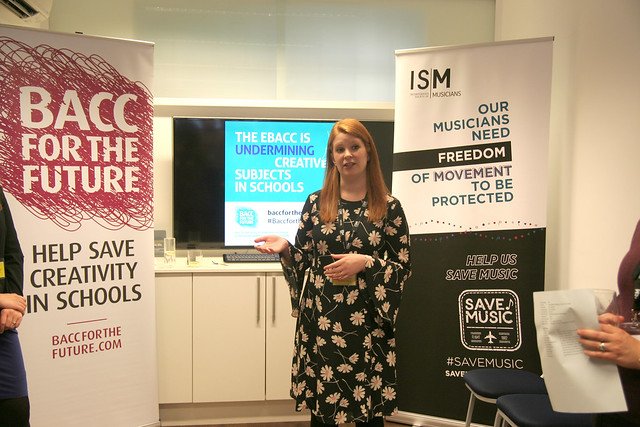
As the music industry continues to adapt to new technologies, changing consumer habits, and global uncertainties, so too does the ISM. The society has embraced digital transformation, offering remote services, online resources, and virtual legal consultations to make its support more accessible than ever.
Looking ahead, the ISM plans to deepen its efforts in:
- Digital rights and royalties
- Sustainability in touring and performance
- Mental health support programs
- International collaboration with similar organizations
With the rise of AI-generated music, NFT integration in the arts, and changing educational priorities, the ISM will need to remain agile and forward-thinking — qualities it has demonstrated consistently over its long and storied history.
Conclusion
The Incorporated Society of Musicians is far more than a professional body. It is a lifeline, a shield, and a megaphone for those working in one of the most emotionally rich yet economically precarious professions. From legal protection and education advocacy to fostering community and fighting for diversity, the ISM serves as an essential pillar in the UK’s musical ecosystem.
In a world where the arts are often undervalued, the ISM ensures that musicians are heard — not just on stage, but in Parliament, classrooms, studios, and beyond. For any music professional seeking security, support, and a sense of solidarity, the Incorporated Society of Musicians is not just an option — it is a necessity.
Read more: QWE Cuctizgram4.57.3 Explained: What It Is, How It Works, and Why It Matters