


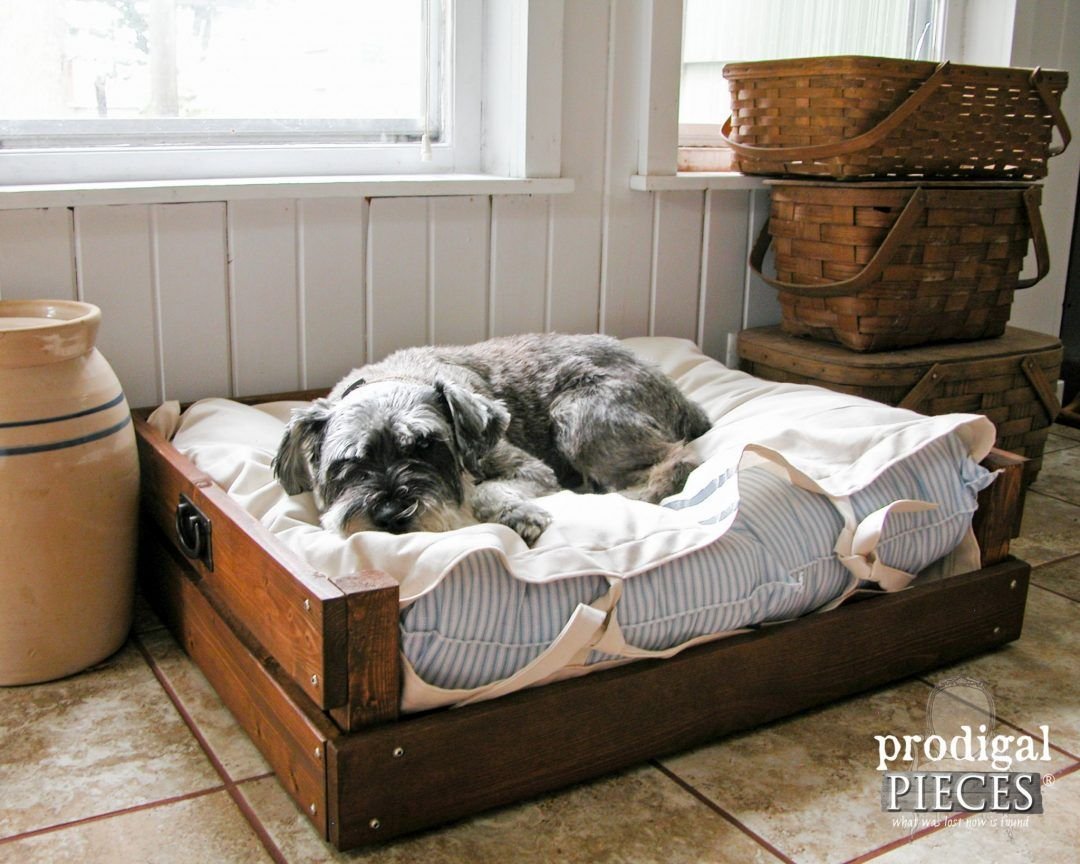
A dog bed is not just a luxury—it’s a necessity. Just like humans, dogs need a dedicated space to relax, sleep, and recharge. Whether you have a playful puppy, a senior dog, or a high-energy working breed, the right dog bed plays a crucial role in their well-being. Choosing a suitable dog bed ensures that your pet gets the rest they deserve, supports joint health, and prevents behavioral issues linked to poor sleep or discomfort.
Dogs sleep an average of 12–14 hours a day, and some breeds sleep even more. Imagine spending half your life on a hard floor or in an uncomfortable space. That’s what it’s like for dogs without proper bedding. A good dog bed offers warmth, cushioning, support, and a sense of security.
Types of Dog Beds to Consider
There is no one-size-fits-all when it comes to choosing a dog bed. Different types cater to different needs and preferences, both for dogs and their owners. Let’s explore the most popular types of dog beds on the market.
Orthopedic Dog Beds
Orthopedic dog beds are designed with memory foam or supportive material to help distribute your dog’s weight evenly and relieve pressure on joints. These are ideal for senior dogs, dogs with arthritis, or breeds prone to joint issues like Labradors and German Shepherds.
Bolster Dog Beds
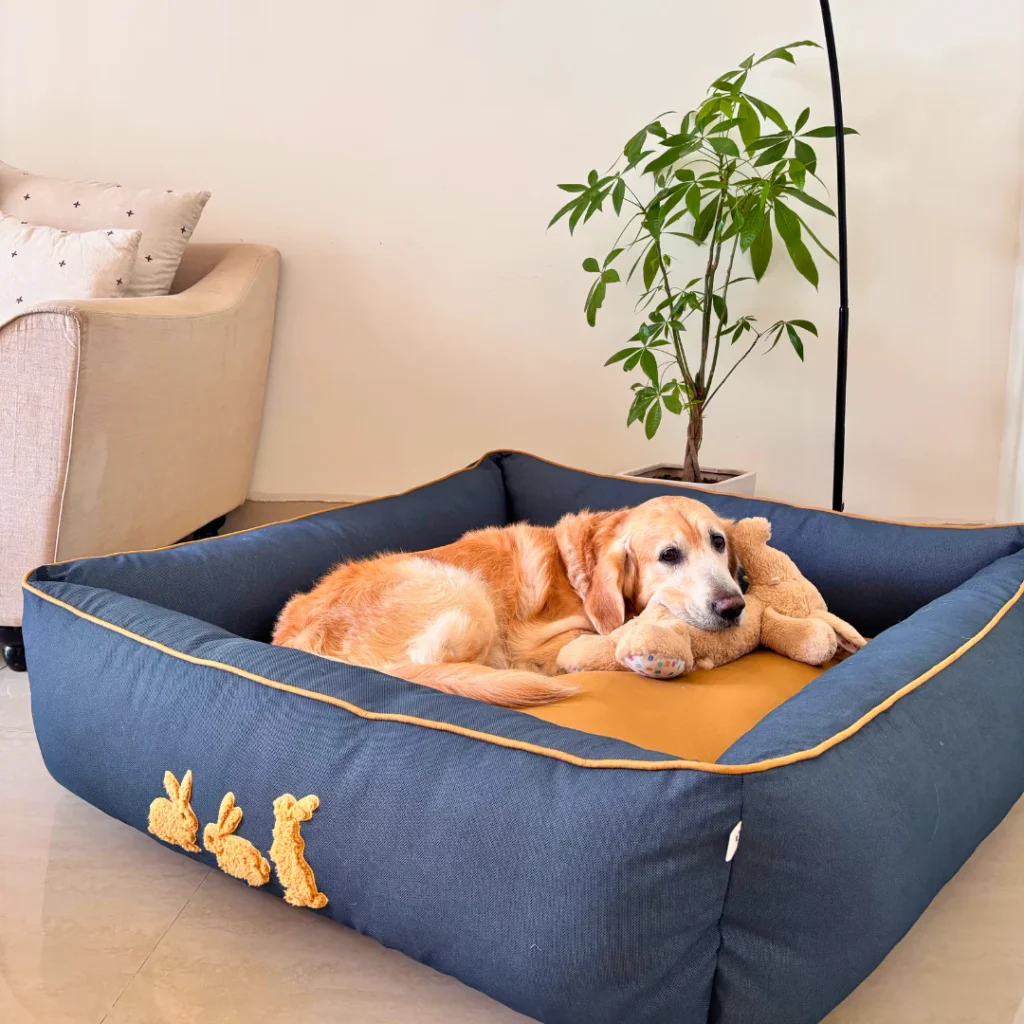
Bolster dog beds have raised edges or “pillows” around the sides, creating a nest-like environment. They are perfect for dogs that like to curl up or lean against something while they sleep. The raised edges provide neck and head support, offering both comfort and a feeling of safety.
Donut or Cuddler Beds
These round, cushioned beds are loved by small breeds or dogs that enjoy curling into a ball. The plush sides offer a sense of security and warmth, making them ideal for anxious dogs or those who love to snuggle.
Elevated Dog Beds
Also known as cot-style beds, these are raised off the ground and have a taut fabric surface. They’re great for outdoor use or for breeds that overheat easily. Elevated dog beds promote air circulation and are easy to clean, making them a popular choice for warmer climates.
Heated and Cooling Dog Beds
Temperature-regulating dog beds are great for specific needs. Heated beds are useful in colder climates or for older dogs with arthritis. Cooling mats or gel-infused beds are ideal for breeds prone to overheating, like Bulldogs or Huskies.
Factors to Consider When Choosing a Dog Bed
While the market is flooded with options, the perfect dog bed for your furry friend depends on several factors. Here’s what to look for before making your decision.
Size and Breed
Always choose a bed based on your dog’s size and breed. Large breeds need more space to stretch, while smaller dogs may prefer cozier spaces. Measure your dog from nose to tail when they are lying down and add a few extra inches to ensure a perfect fit.
Age and Health Conditions
Puppies may need more durable, easy-to-clean beds as they go through chewing phases and potty training. Older dogs benefit from orthopedic or memory foam dog beds that support their joints and ease arthritis pain. Dogs with allergies may need hypoallergenic materials to prevent skin irritations.
Sleeping Style
Some dogs love to sprawl out, while others curl up tightly. Observe how your dog sleeps to determine whether they’d prefer a flat mattress, a donut-shaped bed, or a bolster-style option.
Ease of Cleaning
Hygiene is crucial, especially for dogs that shed a lot or love outdoor adventures. Look for dog beds with removable, machine-washable covers. Waterproof liners are also a big plus for puppies or older dogs prone to accidents.
Durability and Materials
High-quality materials can significantly extend the life of your dog bed. Look for tear-resistant fabrics, reinforced seams, and non-skid bottoms to keep the bed in place. Memory foam and supportive stuffing ensure the bed maintains its shape over time.
The Best Dog Bed Materials for Comfort and Durability
The comfort and longevity of a dog bed depend heavily on the materials used. Here are some commonly used materials and their pros and cons:
Memory Foam
Ideal for orthopedic support, memory foam conforms to your dog’s body and relieves pressure points. It’s perfect for older dogs or those with mobility issues but may retain heat, which is not ideal in hot climates.
Polyester Fill
Budget-friendly and lightweight, polyester-filled beds are soft and fluffy. However, they may flatten quickly and offer less support over time.
Cotton and Microfiber Covers
These are gentle on the skin and often hypoallergenic. They are also easy to wash, but some may shrink in the dryer or show wear after repeated washing.
Waterproof Liners
Great for young puppies and senior dogs, waterproof liners protect the inner foam from moisture and accidents, increasing the lifespan of the bed.
How to Introduce a New Dog Bed
Some dogs take to a new dog bed instantly, while others may need encouragement. Here are a few tips to make the transition easier:
- Place the bed in a familiar spot where your dog already likes to relax.
- Use treats and praise when your dog gets on the bed.
- Add familiar scents, like a blanket or toy, to make the bed feel safe and inviting.
- Be patient—it may take a few days for your dog to fully embrace the new sleeping arrangement.
Dog Bed Maintenance Tips
To keep your dog bed fresh and functional, regular maintenance is key. Wash the cover weekly or bi-weekly, depending on how much your dog sheds. Vacuum the bed regularly to remove fur and dander. Check for signs of wear and tear, and replace the bed if the cushioning no longer provides adequate support.
If your dog suffers from fleas or allergies, consider using a pet-safe spray or wash the bed with hot water to eliminate irritants.
Popular Dog Bed Brands Worth Considering
Here are some trusted brands that consistently receive high marks from dog owners:
- Big Barker – Best for large breeds with orthopedic needs.
- Casper Dog Bed – Offers memory foam and supportive bolsters in stylish designs.
- K&H Pet Products – Known for heated and cooling beds.
- Furhaven Pet – Budget-friendly beds with various designs and materials.
- Orvis – Durable, high-end beds with hypoallergenic options.
Each brand caters to different needs, so read reviews, compare features, and choose one that suits your dog’s lifestyle.
When to Replace a Dog Bed
Even the best dog bed won’t last forever. Replace your dog bed when:
- The foam has flattened and no longer provides support.
- The fabric is torn or has holes.
- It develops a permanent odor or mold.
- Your dog is showing signs of discomfort or avoiding the bed.
Regularly checking the condition of your dog bed ensures your pet always has a comfortable and hygienic place to rest.
Conclusion
Investing in the right dog bed enhances your dog’s health, happiness, and overall quality of life. With so many styles and options available, you’re sure to find a perfect match tailored to your dog’s size, age, health needs, and personality.
By considering the factors discussed in this guide, you’ll be better equipped to make an informed decision that benefits both you and your furry friend. After all, a well-rested dog is a happy dog—and a happy dog makes for a happy home.
Read more: Unlike Humans: Exploring the Minds of Machines and Otherworldly Intelligence