


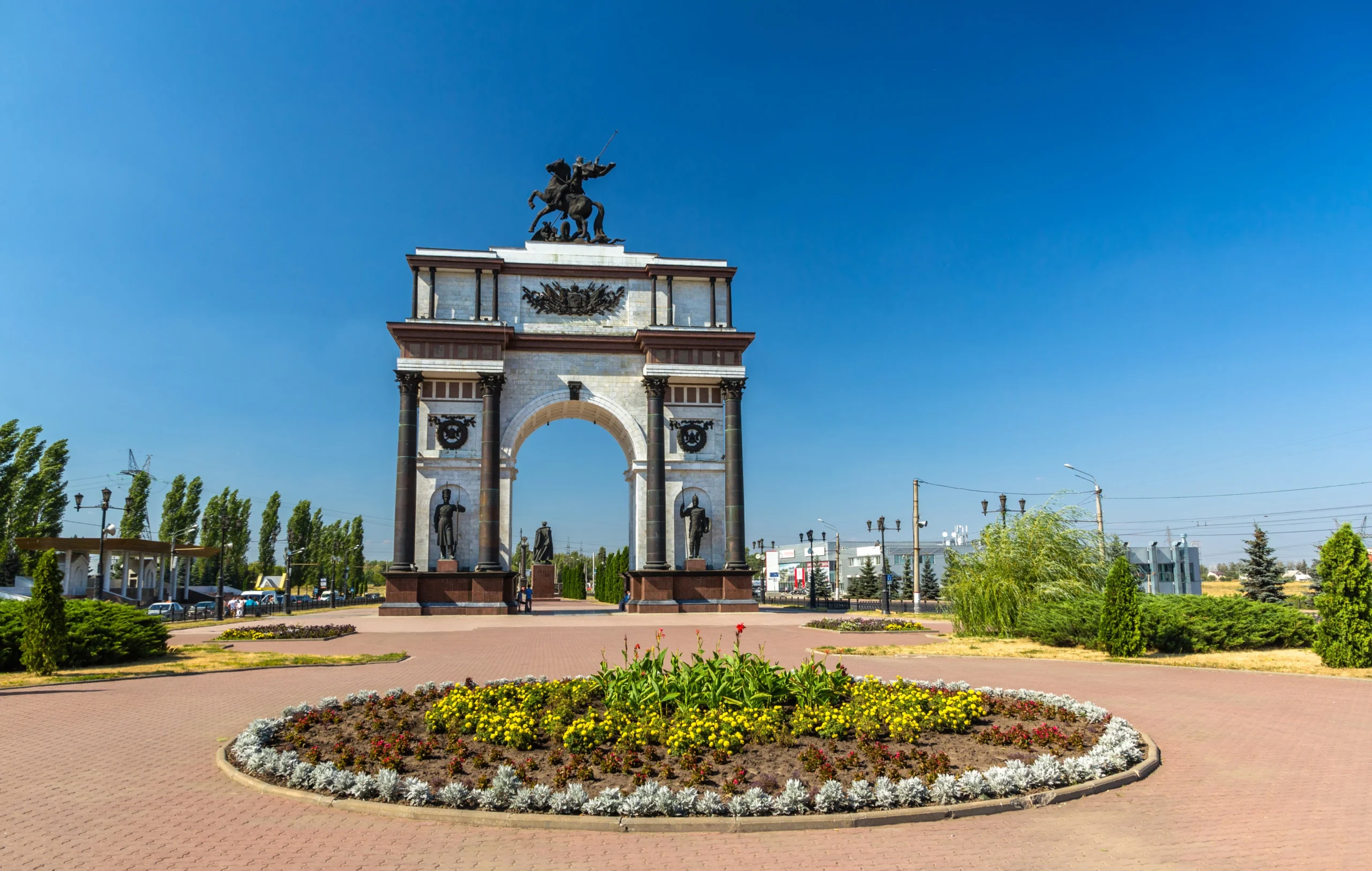
Kursk Oblast, a region in western Russia, is known for its deep historical roots, cultural richness, and scenic landscapes. It is an area that played a crucial role in Russian history, particularly during World War II, and continues to be a hub of industrial and agricultural development. With a blend of historical landmarks, natural beauty, and cultural significance, Kursk Oblast offers an immersive experience for history enthusiasts, nature lovers, and travelers alike.
Historical Significance of Kursk Oblast
Early History and Formation
Kursk Oblasts has a rich historical background that dates back to ancient times. The region was originally inhabited by East Slavic tribes and played a pivotal role in the formation of the Kievan Rus. Over centuries, Kursk evolved as an essential cultural and trade center, with its strategic location influencing its development.
The Battle of Kursk: A Turning Point in World War II
One of the most defining events in the history of Kursk Oblasts was the Battle of Kursk, fought in 1943. This battle was one of the largest tank battles in history and marked a decisive victory for the Soviet Union against Nazi Germany. The battle’s outcome shifted the momentum of World War II, making Kursk Oblasts a site of immense historical importance. Today, war memorials, museums, and preserved battle sites stand as a testament to the bravery and sacrifice of those who fought.
Post-War Development and Modern Kursk Oblast
After the war, Kursk Oblasts witnessed rapid industrialization and urban development. The region became a significant center for iron ore mining, agriculture, and heavy industry. Today, it stands as a symbol of resilience and progress, preserving its historical identity while embracing modernization.
Cultural Heritage of Kursk Oblast
Folklore and Traditions
Kursk Oblast is deeply rooted in Russian folklore and traditions. The region is famous for its traditional folk music, including the Kursk Songs, which reflect the spirit and history of its people. These folk songs are characterized by their melancholic melodies and deep emotional connections to the land and nature.
Religious Influence and Architecture
The region is home to several historically significant religious sites. Among them is the Kursk Root Hermitage, a monastery founded in the 16th century. This religious site is known for the miraculous icon of Our Lady of Kursk, which has been revered by Orthodox Christians for centuries.
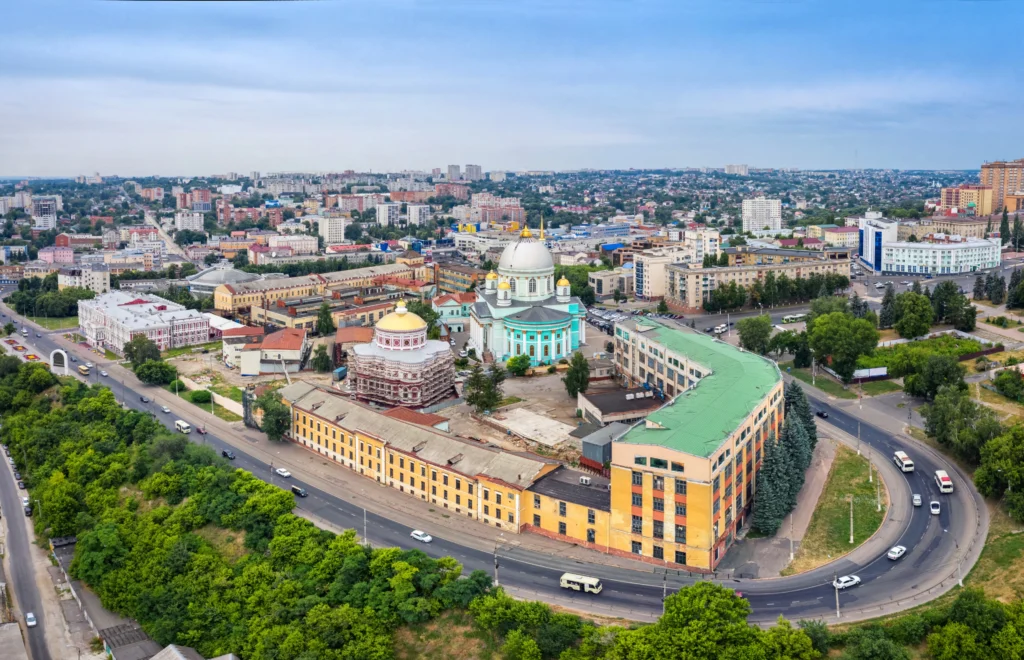
Other notable religious landmarks include the Znamensky Cathedral in Kursk city and various churches scattered throughout the oblast, showcasing beautiful Russian Orthodox architecture.
Literature and Art
Kursk Oblast has also contributed to Russian literature and art. The region was home to prominent writers and poets who played a significant role in shaping Russian literary traditions. Art galleries, museums, and cultural centers throughout the oblast celebrate the artistic heritage of the region.
Major Attractions in Kursk Oblast
Kursk City: The Heart of the Region
Kursk, the administrative center of the oblast, is a vibrant city rich in history and culture. The city boasts a mix of modern infrastructure and well-preserved historical landmarks. Notable places to visit in Kursk city include:
- Victory Memorial Complex – A tribute to the soldiers of World War II.
- Kursk Regional Museum – Showcasing the history and culture of the region.
- Red Square in Kursk – A bustling area with historical significance.
The Kursk Root Hermitage
Located near the town of Svoboda, this monastery is one of the most significant religious sites in the region. Pilgrims and tourists visit the monastery to witness its stunning architecture and spiritual ambiance.
Central Black Earth Nature Reserve
Nature lovers will find the Central Black Earth Nature Reserve to be a fascinating destination. This protected area preserves the unique flora and fauna of the region, providing opportunities for eco-tourism and wildlife observation.
Ponyri Battlefield and War Memorials
For those interested in military history, the Ponyri Battlefields is an essential visit. It was a major site during the Battle of Kursk, and today, it features war memorials and museums that recount the dramatic events of 1943.
Fatezh and Other Historical Towns
Several smaller towns in Kursk Oblast, such as Fatezh and Rylsk, offer charming old-world architecture, local crafts, and peaceful countryside landscapes. These towns provide a glimpse into the region’s past and traditional way of life.
Economy and Modern Development
Kursk Oblast is an economically diverse region with thriving industries in agriculture, mining, and manufacturing. The oblast is rich in iron ore reserves, making it an important center for metallurgy. Additionally, its fertile black soil supports large-scale agricultural production, including wheat, sunflowers, and sugar beets.
The region is also making strides in technology and education, with institutions such as Kursk State University and Southwest State University playing key roles in research and innovation.
Conclusion
Kursk Oblast is a region where history, culture, and natural beauty intertwine. From its heroic past during the Battle of Kursk to its rich traditions and stunning landscapes, the region offers a unique experience for visitors and residents alike. Whether exploring historic battlefields, enjoying traditional folk music, or admiring architectural wonders, Kursk Oblast remains a fascinating destination in Russia.
Read more: Sunrise Time: Embracing The First Light
FAQ’s Section
Kursk Oblast is situated in western Russia, bordering Ukraine and several other Russian regions.
It is best known for the Battle of Kursk during World War II, its rich agricultural lands, and its deep-rooted cultural heritage.
Key attractions include the Kursk Root Hermitage, Victory Memorial Complex, Central Black Earth Nature Reserve, and various war memorials.
The region experiences a temperate continental climate, with cold winters and warm summers.
Major industries include agriculture, mining, metallurgy, and manufacturing, with a strong focus on iron ore extraction and food production.