


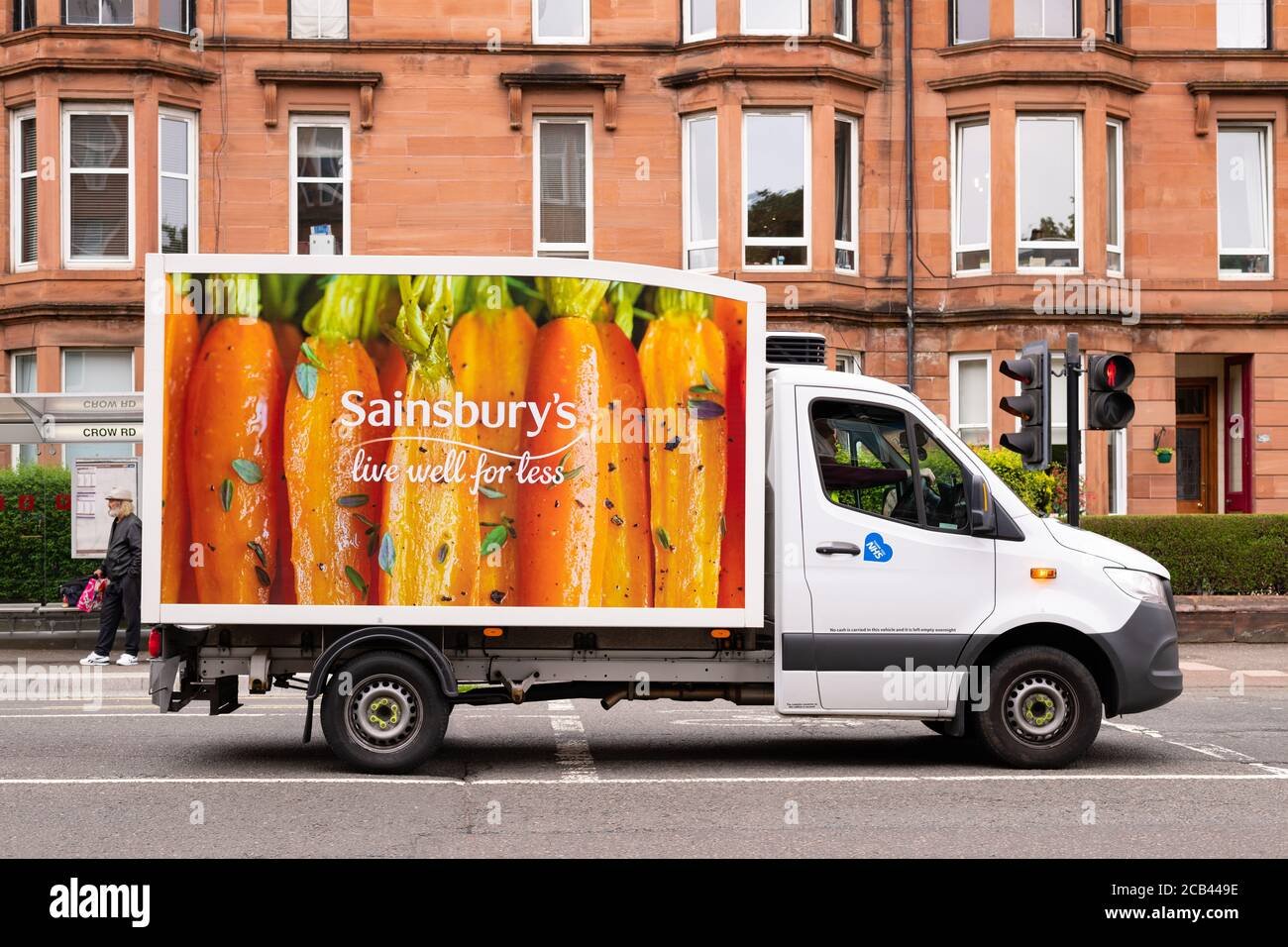
A Modern Convenience Turning Into a Modern Headache
Online grocery shopping has become an essential service for millions across the UK, especially in the post-pandemic era. With its well-established reputation and wide-reaching network, Sainsbury’s is one of the UK’s biggest players in the grocery delivery space. However, in recent years—and particularly throughout 2024 and into 2025—there has been a noticeable uptick in complaints and concerns related to Sainsburys delivery problems. From late deliveries and missing items to cancelled orders and poor customer service, many loyal customers are starting to ask: what’s going wrong?
In this in-depth article, we’ll explore the causes behind the delivery challenges, examine the consumer impact, and review what Sainsbury’s is doing to address these issues. If you’ve experienced frustrations with Sainsbury’s online orders, you’re not alone—and we’re here to break it all down.
The Rise of Online Grocery Deliveries and Sainsbury’s Market Position
A Shift in Consumer Behaviour
The COVID-19 pandemic accelerated the shift toward online grocery shopping in the UK. According to market research, nearly 30% of UK households now use online grocery services regularly, a trend that has shown no sign of slowing. As one of the “Big Four” supermarkets, Sainsbury’s expanded its digital infrastructure to meet this growing demand.
Sainsbury’s invested heavily in their online platforms, introduced flexible delivery slots, and offered services like same-day delivery and delivery passes. With thousands of drivers on the road and regional fulfilment centres, they positioned themselves as a leader in convenience. However, this expansion may have also sown the seeds for logistical bottlenecks and delivery problems that are now surfacing.
The Scope of the Problem
Sainsbury’s online delivery service caters to millions of orders each year. While many of these orders are fulfilled without incident, a growing percentage are not. According to consumer feedback from Trustpilot, social media platforms, and review forums, issues include:
- Missed or delayed deliveries
- Incomplete or missing items
- Substituted items of lesser value
- Last-minute cancellations
- Difficulty reaching customer support
These are not isolated incidents, but rather symptoms of systemic issues that Sainsbury’s must address.
Common Sainsburys Delivery Problems Reported by Customers
Late or Missed Deliveries
One of the most frequent complaints is about late or missed deliveries. Customers often select specific delivery windows based on their schedules, but drivers sometimes arrive hours late—or not at all. This is especially problematic for those relying on groceries for immediate meal prep or those with mobility issues who can’t easily visit a store.
The causes range from traffic and driver shortages to outdated route planning systems and unexpected demand surges. For a company of Sainsbury’s scale, failure to manage these logistics effectively erodes customer trust.
Incomplete Orders and Item Substitutions
Another significant issue involves orders that arrive missing key items or include unexpected substitutions. While some level of substitution is understandable in grocery logistics, many customers report receiving irrelevant or unusable replacements. In some cases, perishable goods like fresh produce or meat are left out entirely, creating frustration and food planning disruption.
Furthermore, Sainsbury’s has been criticized for not always refunding the difference in value when a cheaper substitute is provided, raising fairness and transparency concerns.
Technical Glitches and Website Failures
A growing number of users also report issues navigating Sainsbury’s online shopping platform. From checkout failures and frozen pages to app crashes, tech glitches are leading to lost orders and duplicated payments. These problems are especially frustrating when delivery slots are limited, as customers may lose hard-won time slots due to system errors.
Behind the Scenes: What’s Causing These Delivery Issues?
Staffing Shortages and Logistics Pressure
Like many businesses, Sainsbury’s has been affected by the UK’s ongoing labour shortages. Delivery drivers are in high demand, and competition from companies like Amazon and Tesco has made retention difficult. As a result, fewer available drivers means increased strain on existing teams, leading to delays and operational inefficiencies.
Moreover, warehousing and fulfilment centres are experiencing similar staffing problems, further compounding delays and increasing the chance of packing errors or stock mismanagement.
System Overload and Infrastructure Challenges
Sainsbury’s digital infrastructure may be struggling to keep up with increased demand. With more users on the platform and more orders to manage, server outages, software bugs, and inefficient order processing have become common pain points.
The reliance on regional distribution centres also creates a bottleneck effect—if one centre experiences an issue, it can affect multiple postcodes simultaneously. This centralisation strategy, while cost-effective, can make the system vulnerable to widespread disruption.
Inadequate Customer Support
When issues arise, many customers turn to customer service—only to find long hold times, unhelpful chatbots, or representatives unable to resolve complaints. Poor communication and lack of accountability can make a frustrating experience worse. In some cases, customers report waiting days for refunds or resolution, adding to the sense of being let down.
How Sainsbury’s Is Responding to the Delivery Crisis
Investment in Technology and Automation
Sainsbury’s has acknowledged the delivery issues and pledged to improve. One key area of investment is automation. The company is working on advanced order-picking systems and AI-powered logistics planning to better predict demand and manage delivery routes efficiently.
They’re also rolling out app updates and backend improvements aimed at reducing the number of failed checkouts, slow page loads, and other technical bugs that impact the online shopping experience.
Recruitment and Workforce Training
To address staff shortages, Sainsbury’s has increased driver recruitment efforts, offering better pay and flexible hours to attract talent. They’ve also implemented new training protocols to ensure higher service quality and delivery accuracy.
Additionally, they’re exploring partnerships with third-party delivery companies to bridge the gap during high-demand periods—a tactic used successfully by competitors like ASDA and Ocado.
Customer Compensation and Refund Improvements
To win back trust, Sainsbury’s has enhanced its refund policy, promising faster resolutions and improved transparency around substitutions. They’ve also introduced compensation schemes, such as vouchers and free delivery slots, for affected customers.
These goodwill gestures help, but they only go so far if systemic problems persist.
How Customers Can Protect Themselves and Minimise Frustration
Best Practices for Sainsbury’s Online Shoppers
While Sainsbury’s works on improving its operations, there are several steps customers can take to minimize delivery problems:
- Order Early: Avoid peak times, especially weekends and holidays, when demand and delays are more likely.
- Double-Check Substitution Settings: Adjust your preferences during checkout to avoid unwanted replacements.
- Track Orders Closely: Use the app or website to monitor real-time updates and prepare for last-minute changes.
- Contact Support Promptly: Use chat or email for a paper trail if something goes wrong.
- Report Patterns: Repeated issues should be escalated via official complaints to hold Sainsbury’s accountable.
Conclusion
Sainsburys delivery problems have become a growing concern for UK shoppers who rely on the supermarket for convenient, reliable grocery service. While some issues can be attributed to broader industry trends—like labour shortages and rising demand—many of the problems appear to stem from outdated infrastructure, under-resourced support teams, and inconsistent fulfilment practices.
To Sainsbury’s credit, they are investing in solutions, from technology upgrades to workforce expansion. However, the pace of improvement may not be fast enough for frustrated customers who are already considering switching to competitors.
Ultimately, the success of Sainsbury’s delivery service will depend on its ability to adapt quickly, communicate transparently, and prioritize customer satisfaction. Until then, shoppers will continue asking: What’s going wrong—and when will it get better?
Read more: Sainsbury’s Complaints: Common Customer Issues and How the Retail Giant Is Responding