


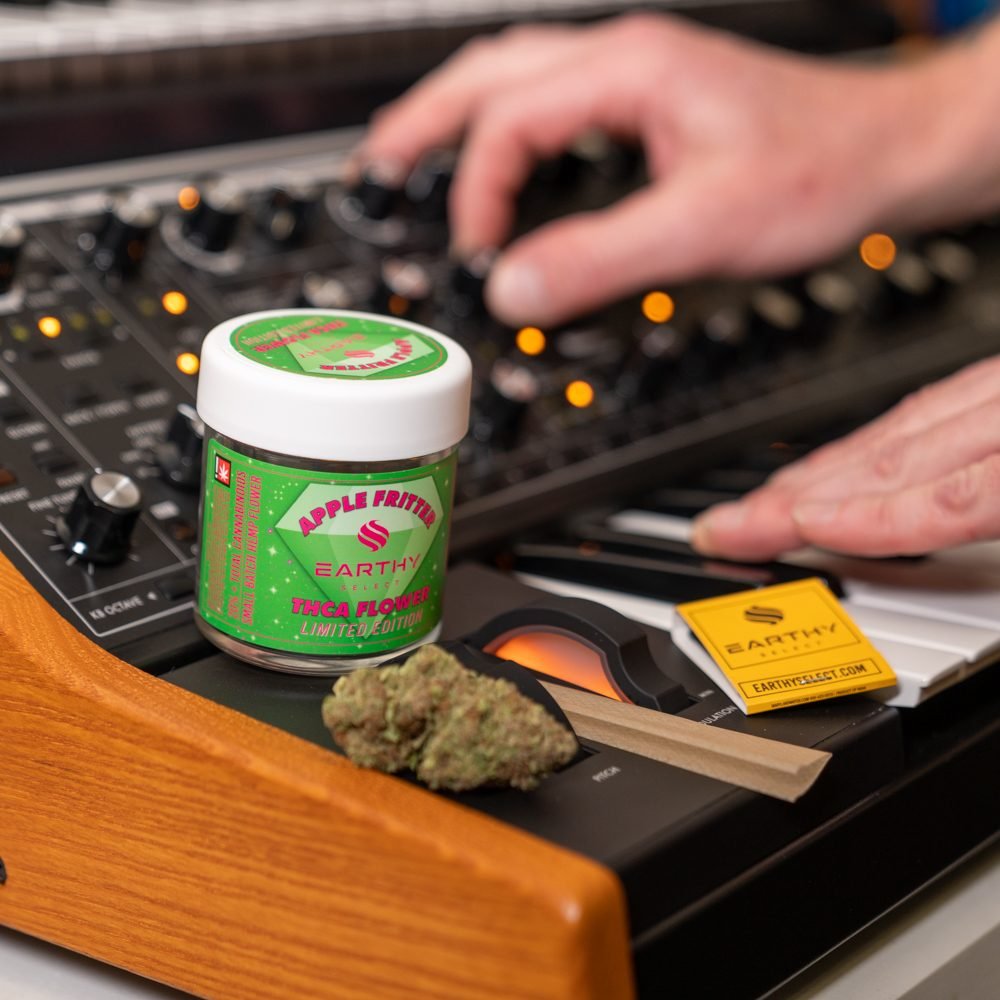
The cannabis industry continues to evolve with new discoveries and products that reshape how we view and use this ancient plant. One of the latest and most intriguing developments is THCA flower—a raw form of cannabis that is making waves among health-conscious consumers, wellness enthusiasts, and those seeking a unique alternative to traditional marijuana products. Unlike THC, which is widely recognized for its psychoactive effects, THCA is a non-intoxicating compound with a range of potential benefits. But what exactly is THCA flower, how is it used, and why is it gaining popularity so quickly? This article takes a deep dive into THCA flower’s, exploring its properties, benefits, and what to expect when incorporating it into your wellness routine.
What is THCA Flower?
Understanding THCA at Its Core
THCA, or tetrahydrocannabinolic acid, is a naturally occurring cannabinoid found in raw and unheated cannabis plants. It is the chemical precursor to THC, meaning that THC only forms when THCA undergoes a process called decarboxylation, which happens when cannabis is heated through smoking, vaping, or cooking. THCA flower is essentially raw cannabis flower that has been cultivated, harvested, and processed in a way that preserves its THCA content before it transforms into THC.
The Difference Between THCA and THC
The key difference between THCA and THC lies in their chemical structure and resulting effects. THCA does not bind effectively to the CB1 receptors in the brain, which are responsible for producing the “high” associated with THC. Because of this, THCA is non-intoxicating when consumed in its raw form. However, once exposed to heat, THCA converts into THC, which is psychoactive. This makes THCA flower’s unique because it offers flexibility—you can enjoy it raw for wellness benefits or heat it to unlock the more traditional effects of THC.
The Benefits of THCA Flower
While research into THCA is still in its early stages, emerging studies and anecdotal reports suggest a wide range of potential health benefits.
Anti-Inflammatory Properties
One of the most studied aspects of THCA is its anti-inflammatory potential. Inflammation is at the root of many chronic conditions, from arthritis to autoimmune disorders. THCA may interact with the endocannabinoid system to reduce inflammation without producing the side effects of conventional medications or the high of THC.
Neuroprotective Potential
THCA has been studied for its possible neuroprotective qualities, making it of interest in research into neurodegenerative conditions such as Alzheimer’s disease, Parkinson’s disease, and multiple sclerosis. While more human trials are needed, early findings are promising.
Anti-Nausea and Appetite Support
Some studies suggest THCA may help reduce nausea and stimulate appetite, similar to THC but without the psychoactive intensity. This could make it useful for patients undergoing chemotherapy or individuals struggling with appetite loss due to chronic illness.
Pain Relief Without Intoxication
For those who want the therapeutic benefits of cannabis without feeling “stoned,” THCA flower’s may be an excellent choice. Its raw form appears to support pain management, particularly in inflammatory and musculoskeletal conditions.
How to Use THCA Flower
THCA flower is versatile, and the way you consume it determines whether it remains non-psychoactive or converts into THC.Consuming Raw THCA Flower
When left unheated, THCA flower’s retains its acidic form. This allows users to experience the benefits of THCA without intoxication. Some common raw uses include:
- Juicing: Blending raw cannabis flower into smoothies or juices.
- Tinctures and Oils: Infused preparations that preserve THCA.
- Capsules: Encapsulated THCA for precise dosing.
Heating THCA Flower (Decarboxylation)
If you heat THCA flower, you transform it into THC. This means that smoking, vaping, or baking with THCA flower will deliver the traditional high associated with cannabis. For recreational users or those seeking the full effects of THC, this dual-use potential makes THCA flower’s especially appealing.
Microdosing and Wellness Use
Some individuals prefer to microdose THCA flower by incorporating very small amounts into their daily routine. This approach provides subtle wellness support without overwhelming effects, particularly when consumed raw.
The Legality of THCA Flower
The legal status of THCA flower can be complex, as it often falls into a gray area.
Federal vs State Laws
In the United States, hemp-derived products containing less than 0.3% delta-9 THC are federally legal under the 2018 Farm Bill. Many THCA flowers are marketed as hemp products since their raw THCA content has not yet converted into THC. However, once heated and decarboxylated, the resulting THC may exceed legal limits. State laws vary widely, with some states explicitly banning high-THCA hemp products.
Compliance and Testing
Because of shifting regulations, reputable vendors provide third-party lab testing to verify the cannabinoid content of their THCA flower. Consumers should always look for Certificates of Analysis (COAs) to ensure safety, legality, and transparency.
What to Expect from THCA Flower
Effects in Raw Form
When consumed raw, THCA flower is not intoxicating. Users report feeling clear-headed, calm, and physically supported without the “high.” Many describe it as a gentle wellness supplement rather than a recreational experience.
Effects After Heating
Once THCA flower’s is heated and converted into THC, it produces familiar cannabis effects, including euphoria, relaxation, altered perception, and increased appetite. The potency can vary depending on the strain and cultivation practices.
Possible Side Effects
THCA is generally considered safe, but some individuals may experience mild side effects such as dry mouth, digestive upset, or drowsiness. When converted to THC, users should expect the usual side effects associated with cannabis, including impaired short-term memory or increased heart rate.
Choosing Quality THCA Flower
The growing demand for THCA flower’s means there are many products on the market, but quality can vary.
What to Look For
- Lab Testing: Always ensure the flower is backed by third-party COAs.
- Freshness: THCA degrades over time, so fresh, well-cured flower is best.
- Strain Variety: Different strains may emphasize different terpene and cannabinoid profiles.
- Sourcing: Choose reputable vendors who prioritize organic cultivation practices.
Storage Tips
To preserve THCA potency, store your flower in an airtight container, away from light, heat, and moisture. This prevents premature decarboxylation and degradation.
THCA Flower vs. CBD Flower
While both THCA and CBD flowers come from hemp or cannabis, they serve different purposes.
- CBD Flower: Popular for relaxation, anxiety relief, and mild wellness benefits without intoxication.
- THCA Flower: Offers non-psychoactive benefits when raw, with the option to unlock THC effects when heated.
This dual functionality sets THCA flower apart from CBD flower and makes it a versatile option for both medical and recreational users.
Conclusion
THCA flower is one of the most exciting developments in the cannabis space, offering a unique balance between wellness potential and recreational flexibility. In its raw form, THCA provides promising benefits ranging from anti-inflammatory support to neuroprotection—all without the high. When heated, it transforms into THC, delivering the classic cannabis experience. This adaptability makes it attractive to both health-conscious consumers and traditional cannabis enthusiasts.
However, as with any cannabis product, it’s important to consider legality, source quality flower, and start with small doses to understand how your body responds. As research into cannabinoids continues to expand, THCA flower is likely to play an even bigger role in the future of natural wellness and cannabis innovation.
Read more: Outdoor Solar Pole Lamps – Stylish, Durable & Eco-Friendly Lighting